
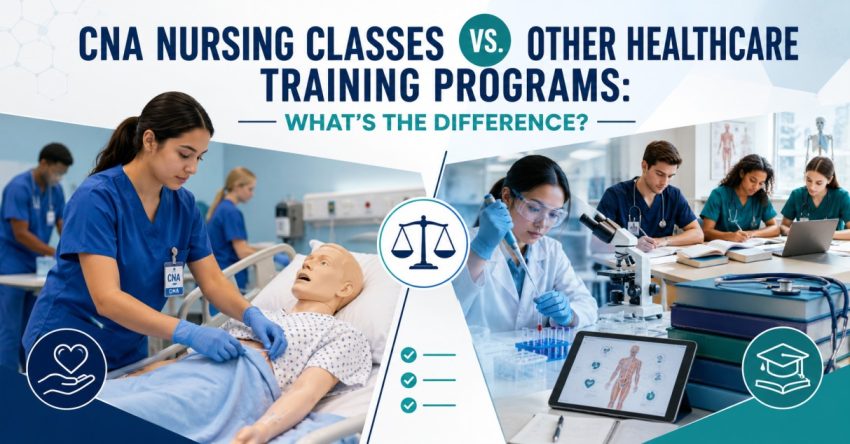
Picking the right healthcare training program is a vital process that helps you develop a career in medicine. There are many programs, including training for a nursing assistant, medical assistant, and practical nursing, among others. The choice of the appropriate program depends on the differences between them. CNA Nursing Classes is one of the programs that are widely chosen by people interested in a fast entrance into the healthcare industry.
Understanding CNA Training
What Does a CNA Learn?
CNA Training centers on the core skills needed to help the patient and the nurse. The usual subjects covered include patient care basics, hygiene, mobility help, vital signs, infection control, communication, and safety protocols.
Practical, Patient-Centered Education
One important aspect of CNA Nursing Classes is the hands-on component. In most cases, students usually learn core skills that will help them feel comfortable taking care of patients within health care settings. This type of education is ideal for people who are hands-on learners.
How CNA Programs Compare With Other Healthcare Courses
CNA vs. Medical Assistant Programs
Medical assistant programs usually train students for both clerical and clinical duties in healthcare facilities like physicians’ offices and clinics. Some of the duties covered include scheduling appointments, preparing medical files, billing services, taking vitals, and assisting in the examination process.
In contrast, CNA training courses focus more on hands-on care of patients and their needs. As such, CNA programs make a great choice for people that like interacting with patients.
CNA vs. Licensed Practical or Vocational Nursing
The LPN and LVN programs usually provide more advanced nursing training as well as more extensive nursing duties. LPN/LVN courses usually take longer and cover duties such as administering medication, assessing patients, and various other nursing processes based on state regulation.
CNA courses usually act as an introduction into the nursing field, providing fundamental training in caring for patients.
Duration and Career Preparation
A Shorter Route Into Healthcare
One thing that CNA Nursing Classes can offer is a fast track into healthcare work. Program length varies depending on the institution and location, but CNA courses tend to be shorter than many nursing degrees or diplomas.
Creating the Base for Further Development
CNA courses also allow for great exposure to the world of healthcare. Working together with nurses and other healthcare workers can give students the experience needed to decide if pursuing further credentials is right for them.
Choosing the Right Healthcare Training Program
Consider Your Career Goals
Your personal interests, your objectives, learning style, and availability of time will help you decide which healthcare training program suits you best. In case your objective is to start working with patients, CNA training might be a good option for you.
Long-Term Career Choices
Those students whose future aspirations include more extensive clinical work might think about becoming LPN/LVN or RNs later on. For those who would like to work with administrative duties and clinical offices, medical assistant training would be a better fit.
Making an Educated Career Choice
There are many career options available in the health care industry. The CNA nursing courses focus on practical patient care skills and might assist learners in gaining experience in the health care environment. It is possible for individuals to analyze programs’ curriculum, duration, and career opportunities in order to make an educated career choice.
Also Read: Diploma in Healthcare Management vs Certificate Course: Key Differences